L
o
a
d
i
n
g
.
.
.
The Integrated Intelligent Equipment Management Platform collects real-time data from field devices and control system hardware status to realize intelligent inspection. It addresses the low efficiency and human errors of manual inspection, completely eliminating missed inspections. The system effectively reduces the workload of instrument technicians, optimizes enterprise human resource allocation and lowers their work burden. It saves instrument staff’s on-site time, allowing technical personnel to devote more energy to in-depth process research and elevate the overall unit control performance.
◆ Automatic Inspection of Control Stations
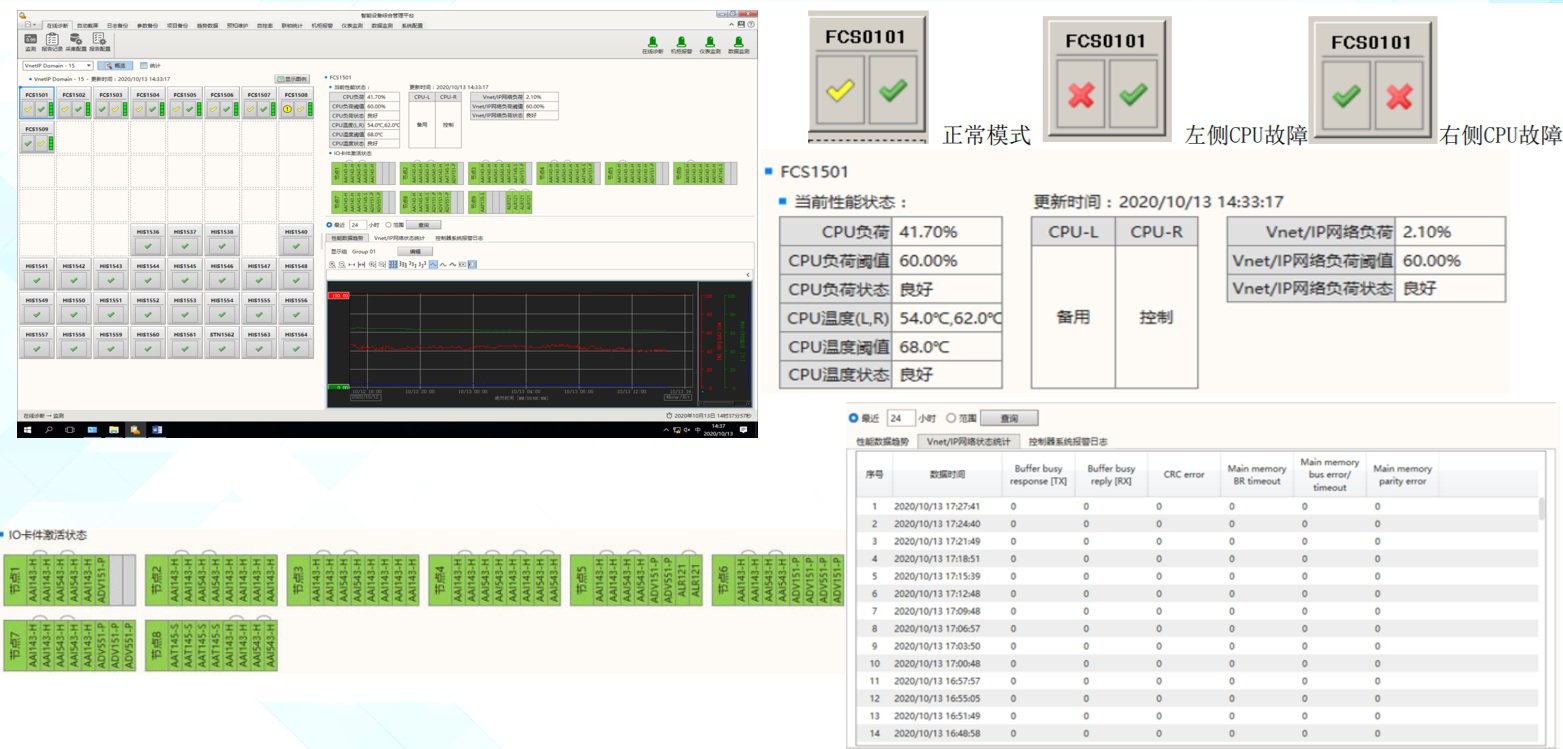
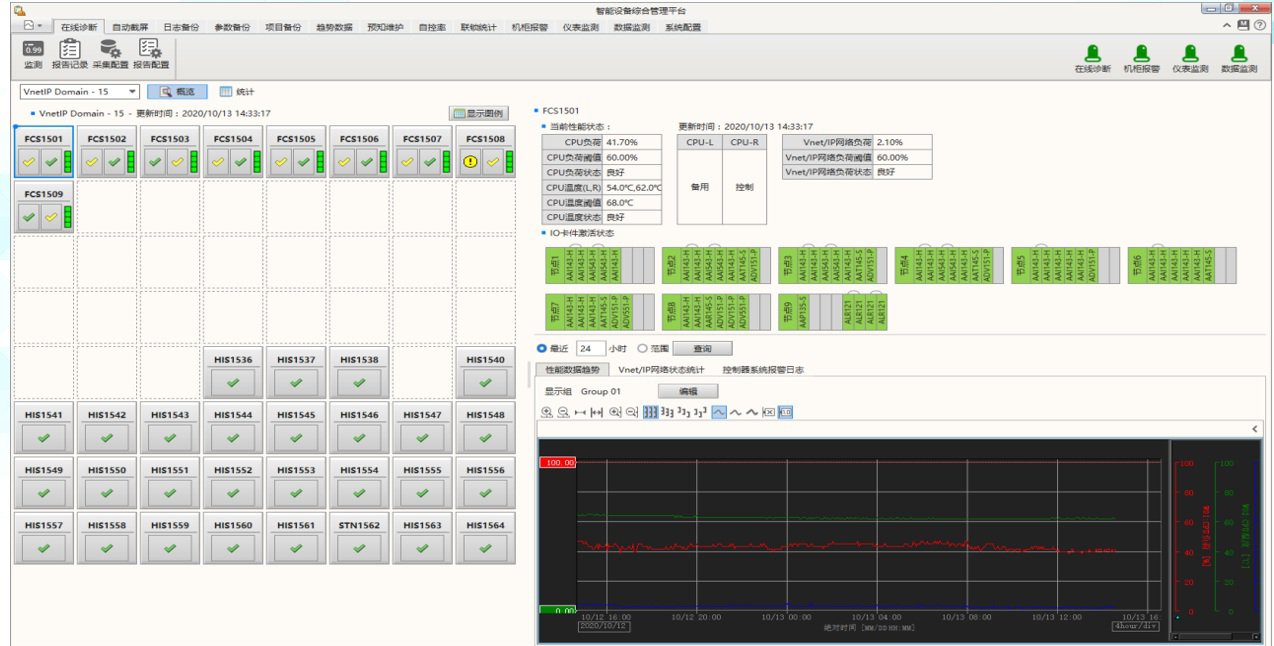
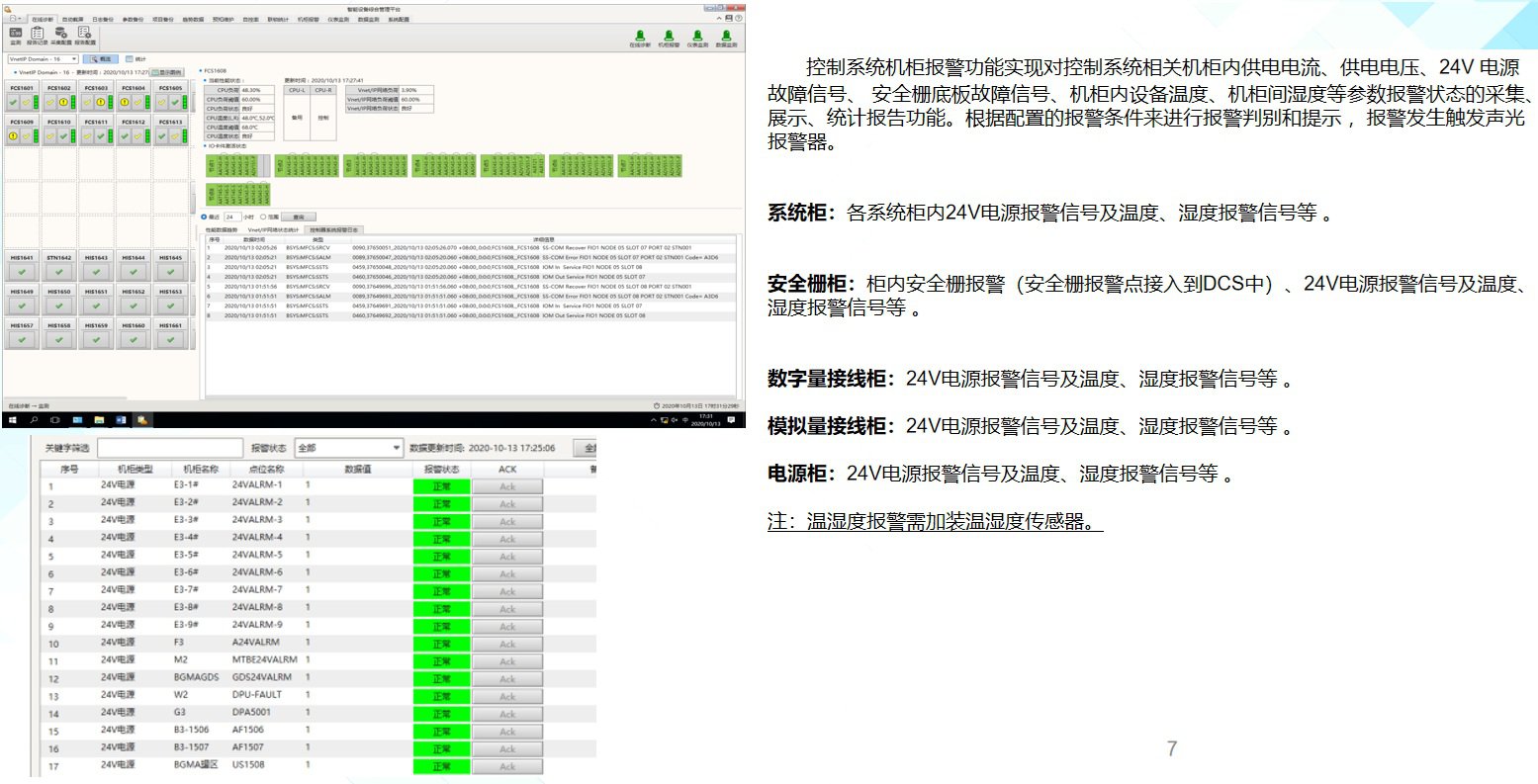
Station livelist status; I/O card livelist status; control station CPU load; Vnet/IP control network load; control station CPU temperature.
◆ Automatic Inspection of Operator Stations
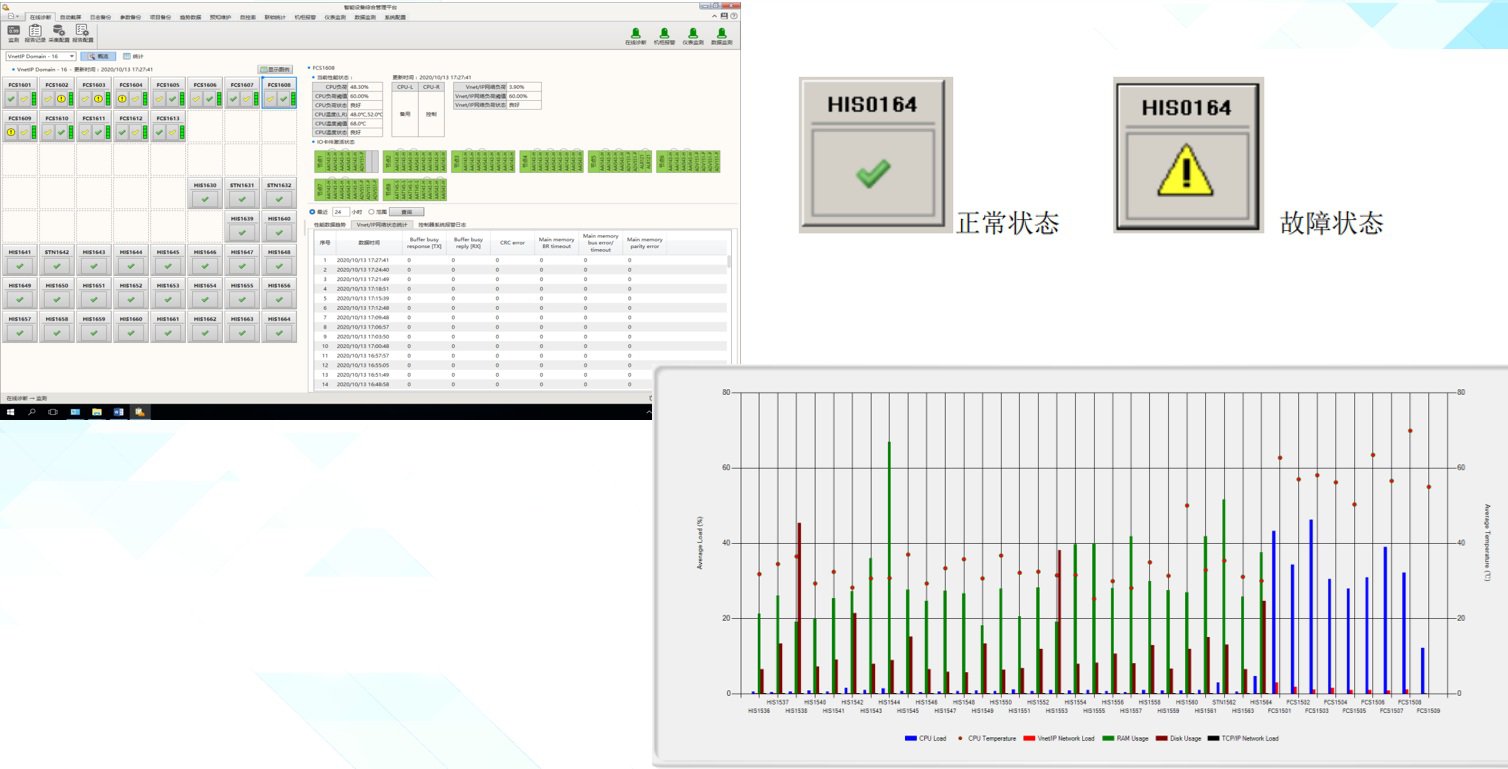
Station livelist status; operator station CPU load and temperature; RAM usage; disk usage; network performance of TCP/IP and Vnet/IP control networks.
◆ Automatic Inspection of Cabinet Rooms
Cabinet room temperature; cabinet room humidity; cabinet alarm statistics.
◆ Automatic Control Rate Statistics
◆ Interlock Activation Rate Statistics
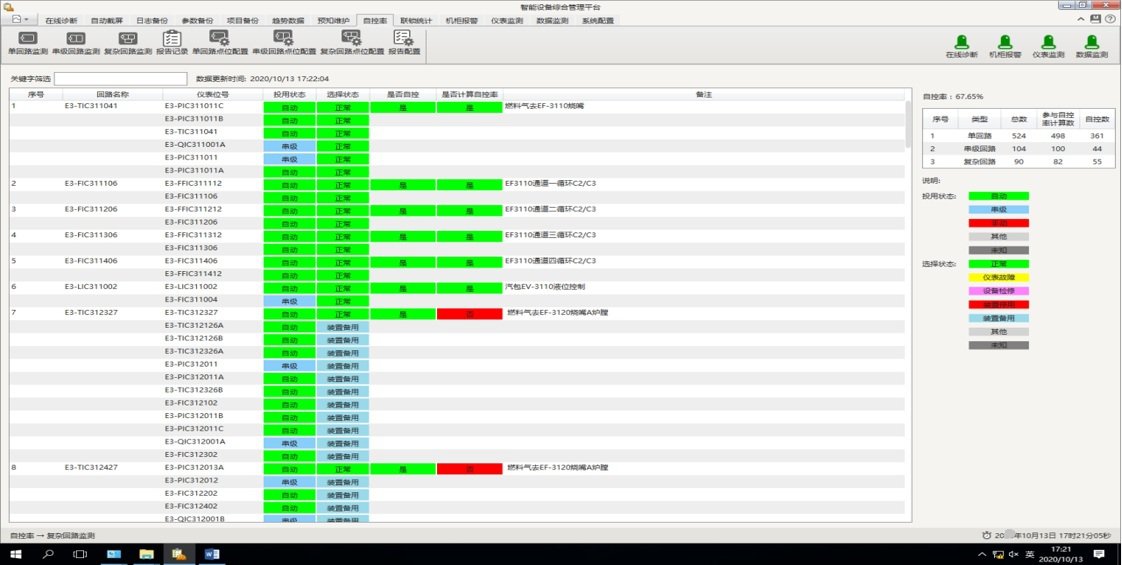
Real-time automatic control rate statistics configurations are implemented for single loops, cascade loops and complex loops of each plant unit.
The system supports bumpless switching for equipment tags triggered by process faults, instrument faults or shutdown status.
It can output real-time automatic control rate data.
The integrated intelligent equipment management platform aggregates automatic control rate data from all units, generates automatic control rate reports and archives the data.
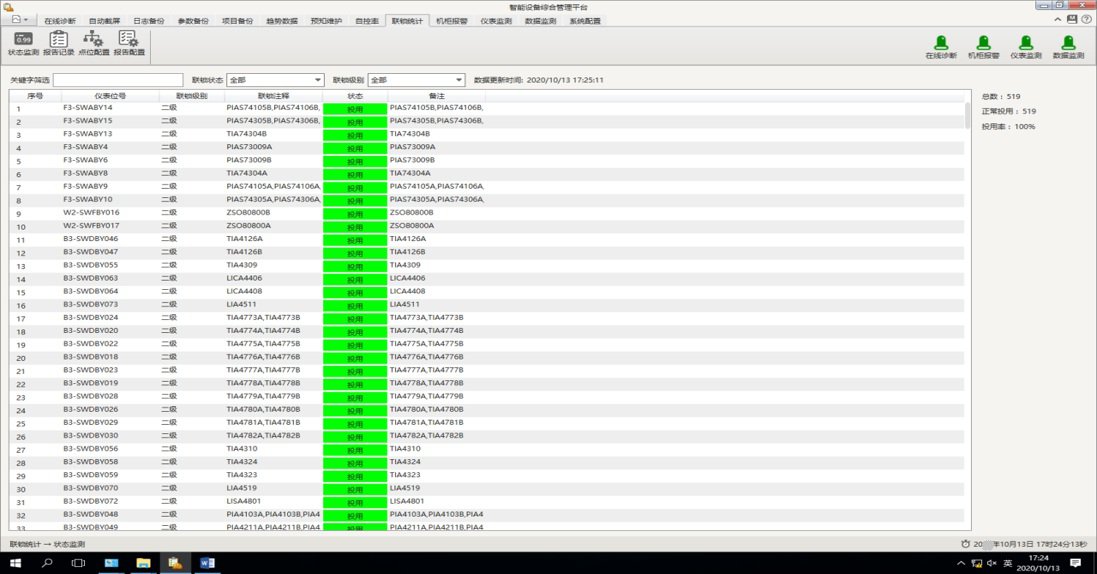
Interlock statistical functions for DCS and SIS systems are deployed in each production unit.
The integrated intelligent equipment management platform aggregates interlock statistics from all units to generate and archive statistical data tables.
Intelligent maintenance covers the following functions:
◆ Automatic screenshot function
◆ Log backup function
◆ Automatic backup and comparison function for modified project parameters
◆ Automatic backup function of project database
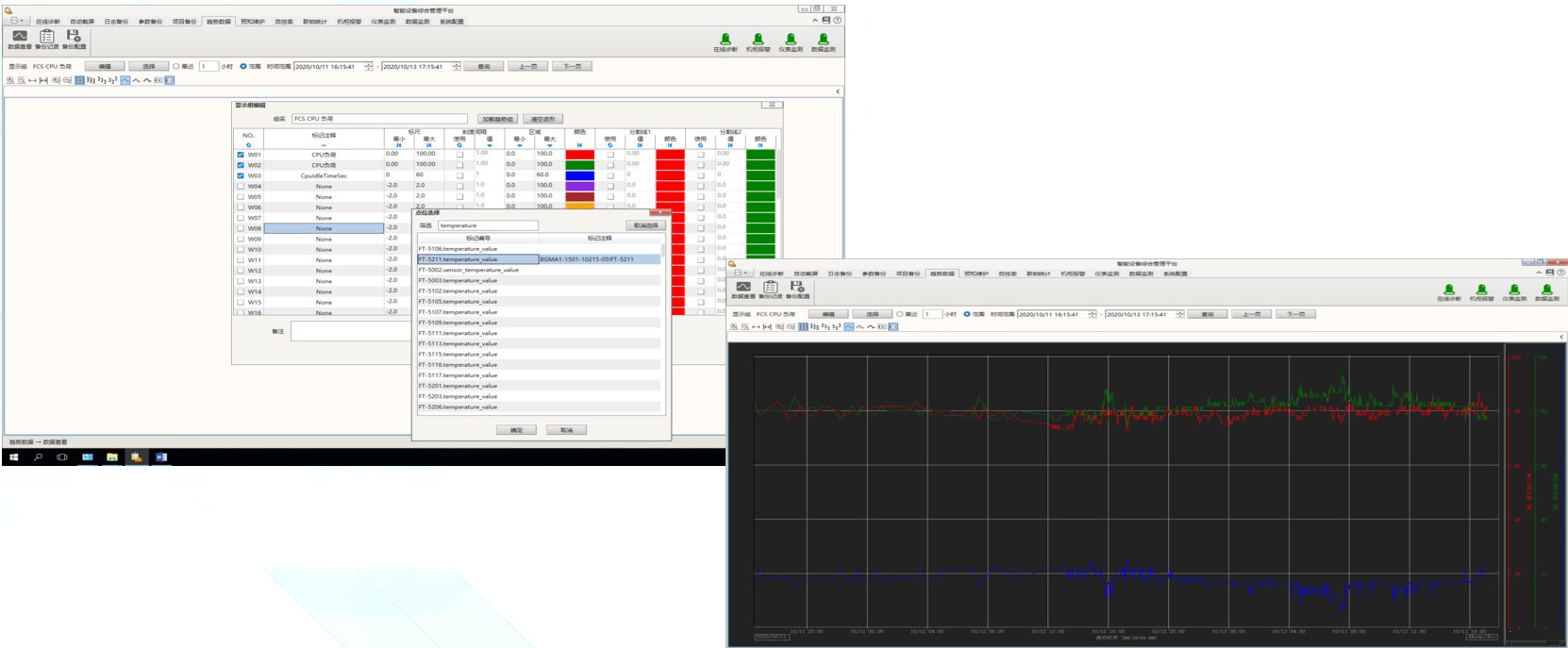
◆ Long-period trend display
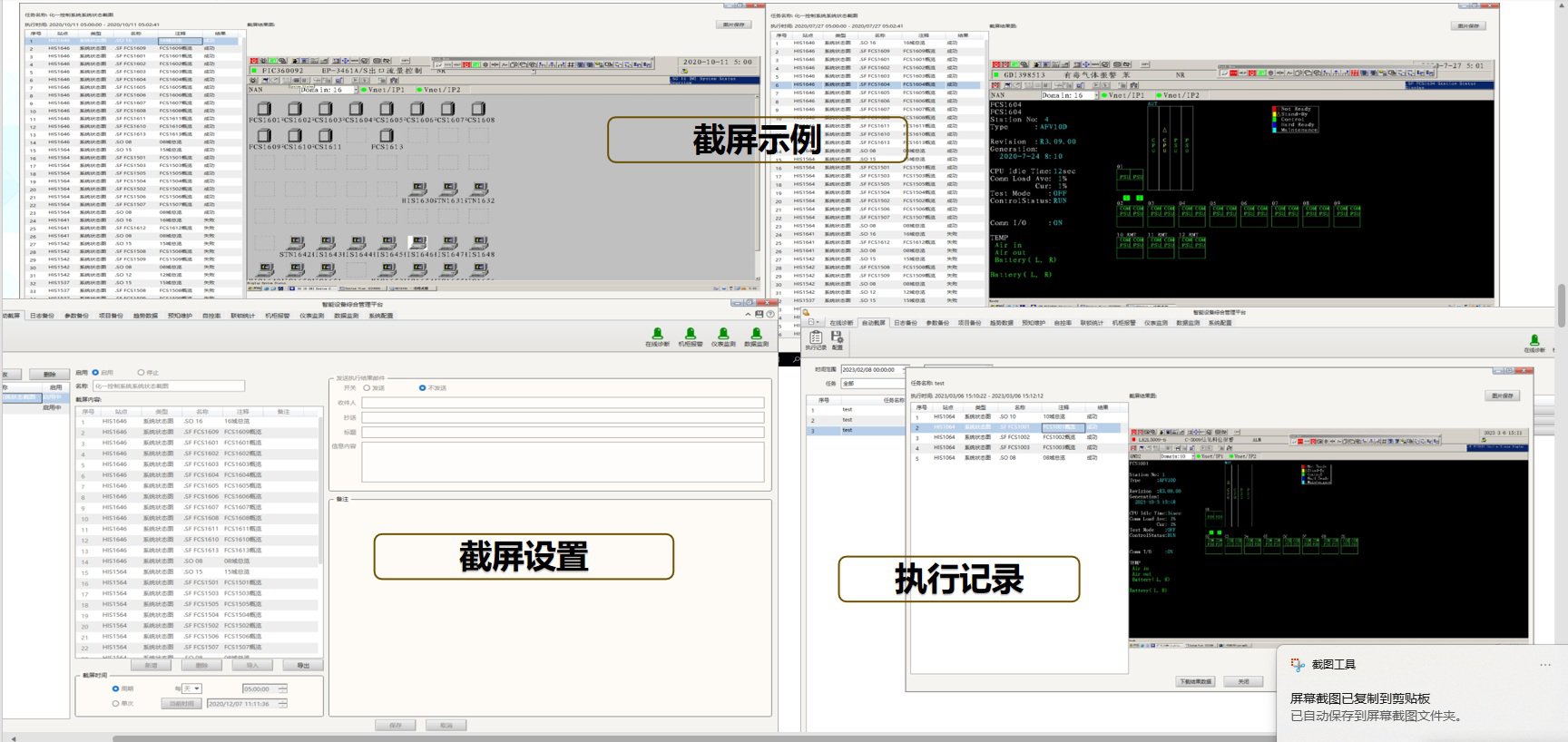
Screenshots of process flow diagrams, trend charts, control groups, system overviews and other interfaces can be captured regularly or at user-specified arbitrary time points during unit startup, shutdown, and process package optimization. All captured screenshots will be stored permanently.
The system regularly copies alarm files generated by the control system from designated operator stations to the inspection system database for classified archiving. Such files include process alarms, system alarms, status change records, operation logs, maintenance logs, operation guidelines and sequence control messages.
A log query interface is provided, supporting filtered retrieval by specified time range, log type, FCS and other criteria.
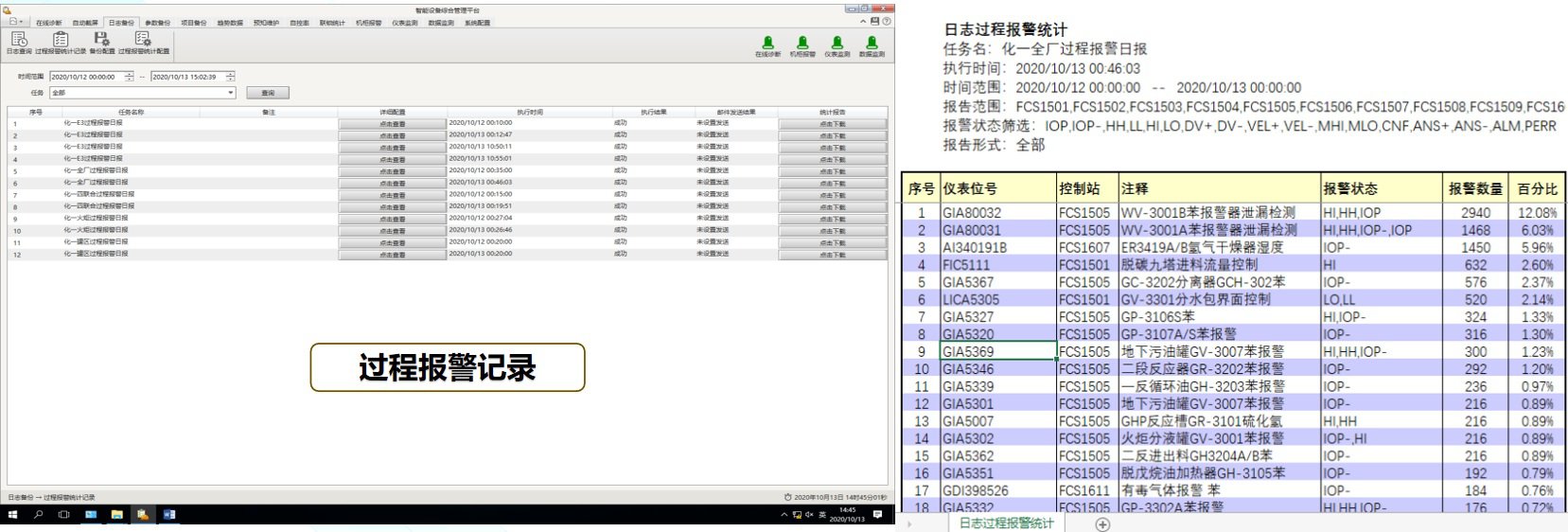
By configuring statistical report tasks, partial alarm data extracted from logs can be processed for statistical analysis to generate reports such as process alarm statistics. These report files can be automatically sent to designated user mailboxes via email.
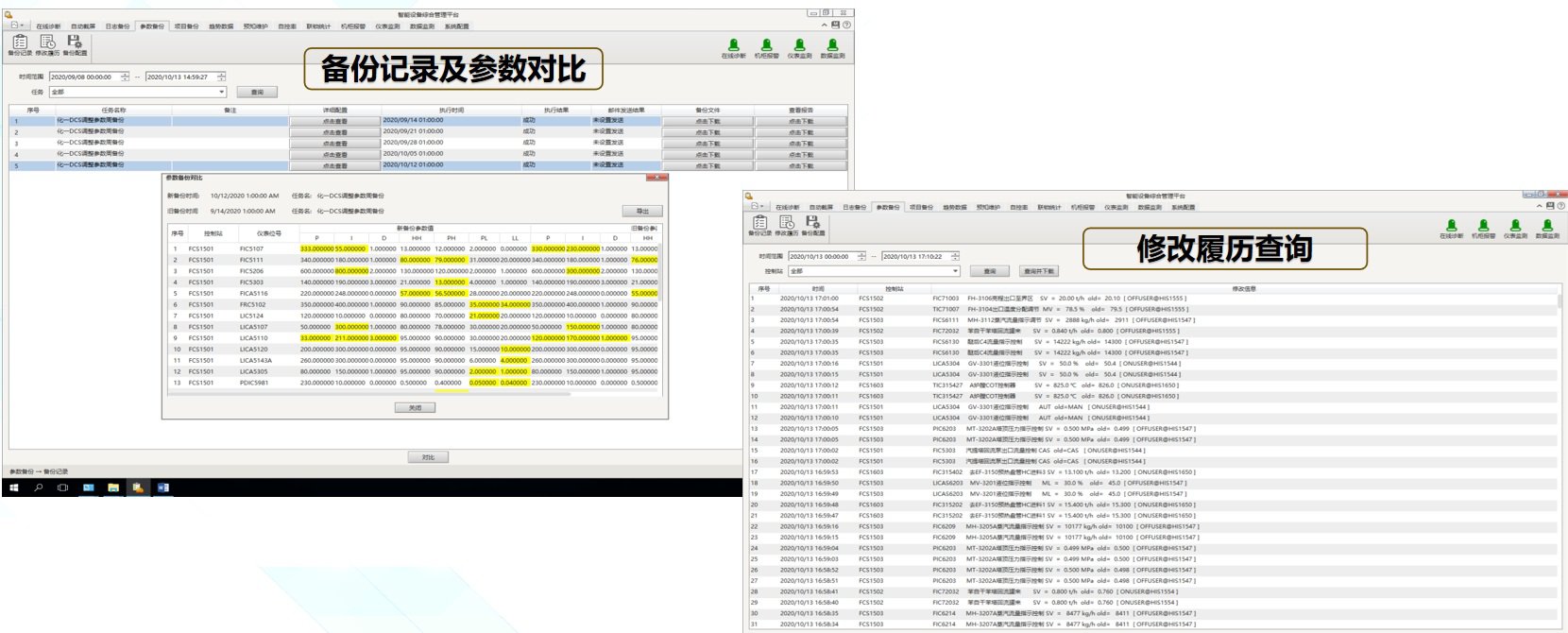
The system can back up modified parameters of the whole project or designated partial FCSs at scheduled intervals. It supports comparison between any two sets of backup data to generate a modified parameter difference report. Users can also query and download the modification history of adjusted parameters within a specified cycle.
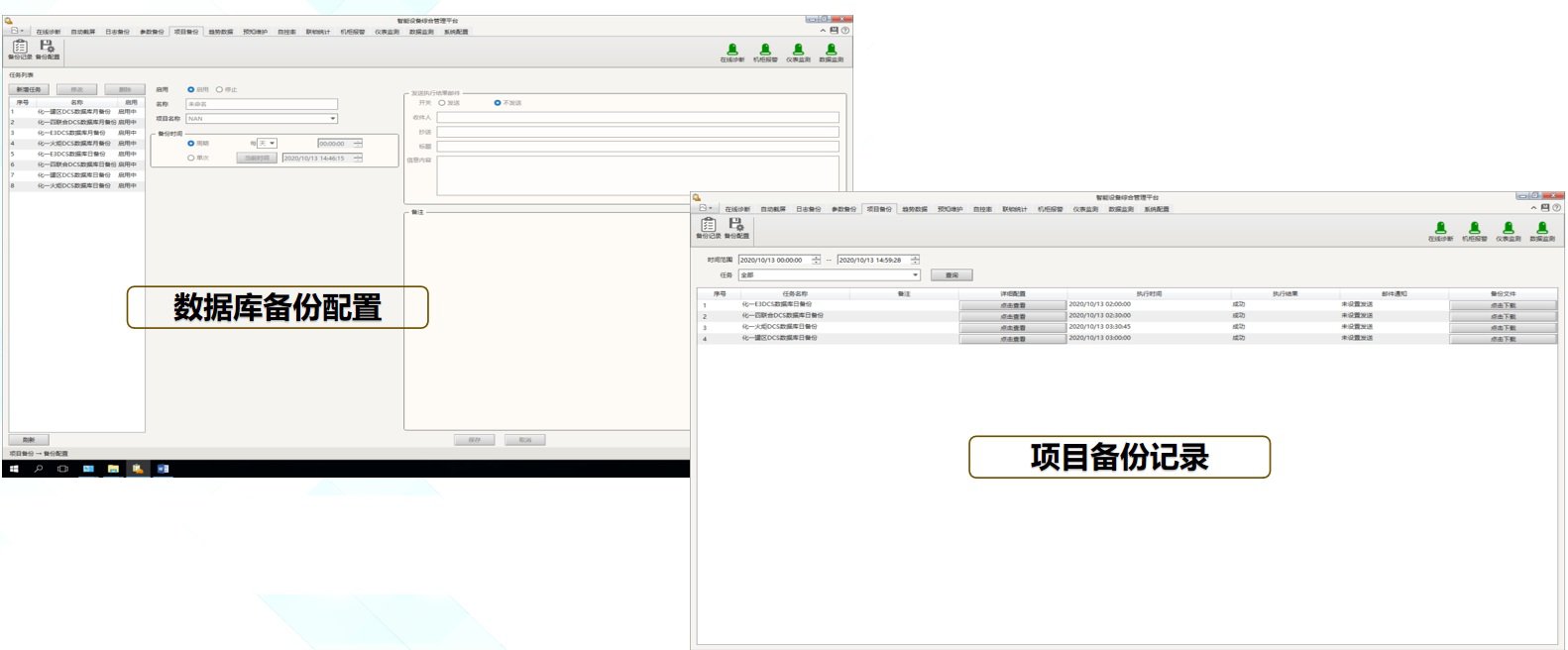
The system supports scheduled backup of the project database, which backs up database files in the designated folder under the specified path.
One-click manual backup is also available after major modifications to the database.
Key trend data from the DCS, especially environmental protection data, needs to be archived long-term for 3 years, 5 years or even longer. The longer such key trend data is retained, the larger the source files become, which requires numerous optical discs or large-capacity dedicated portable hard drives for storage. To address this issue, we have developed a dedicated tool that automatically exports long-term trend source files into CSV format on a regular basis and stores them in a designated folder.
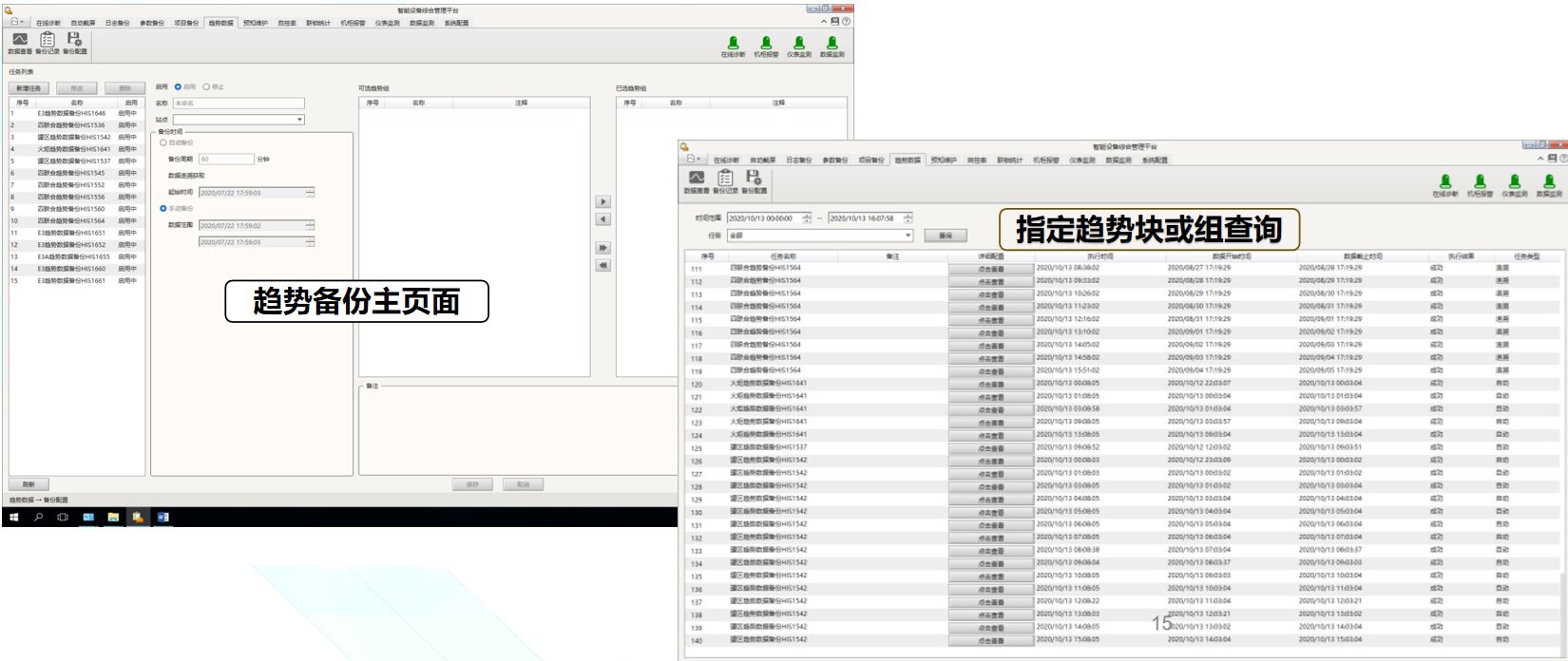
The native DCS system cannot compress unlimited long-term trend data into a single view. To address this limitation, we have developed a trend data restoration software. When historical trend charts need to be viewed, users import designated CSV data files to generate trend curves. The tool supports compressing trend data of unlimited time spans into one single chart, enabling users to analyze the long-term variation trend of specific values for any instrument tag number over an extended time horizon.
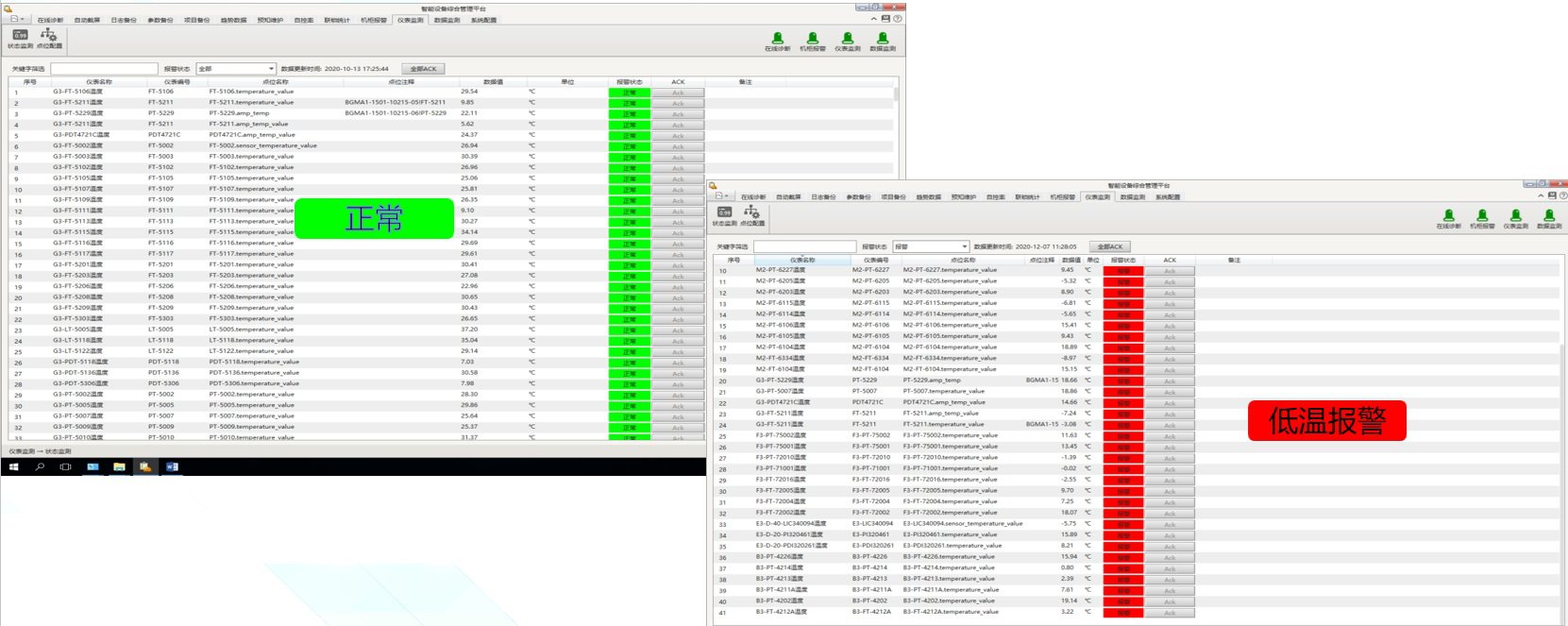
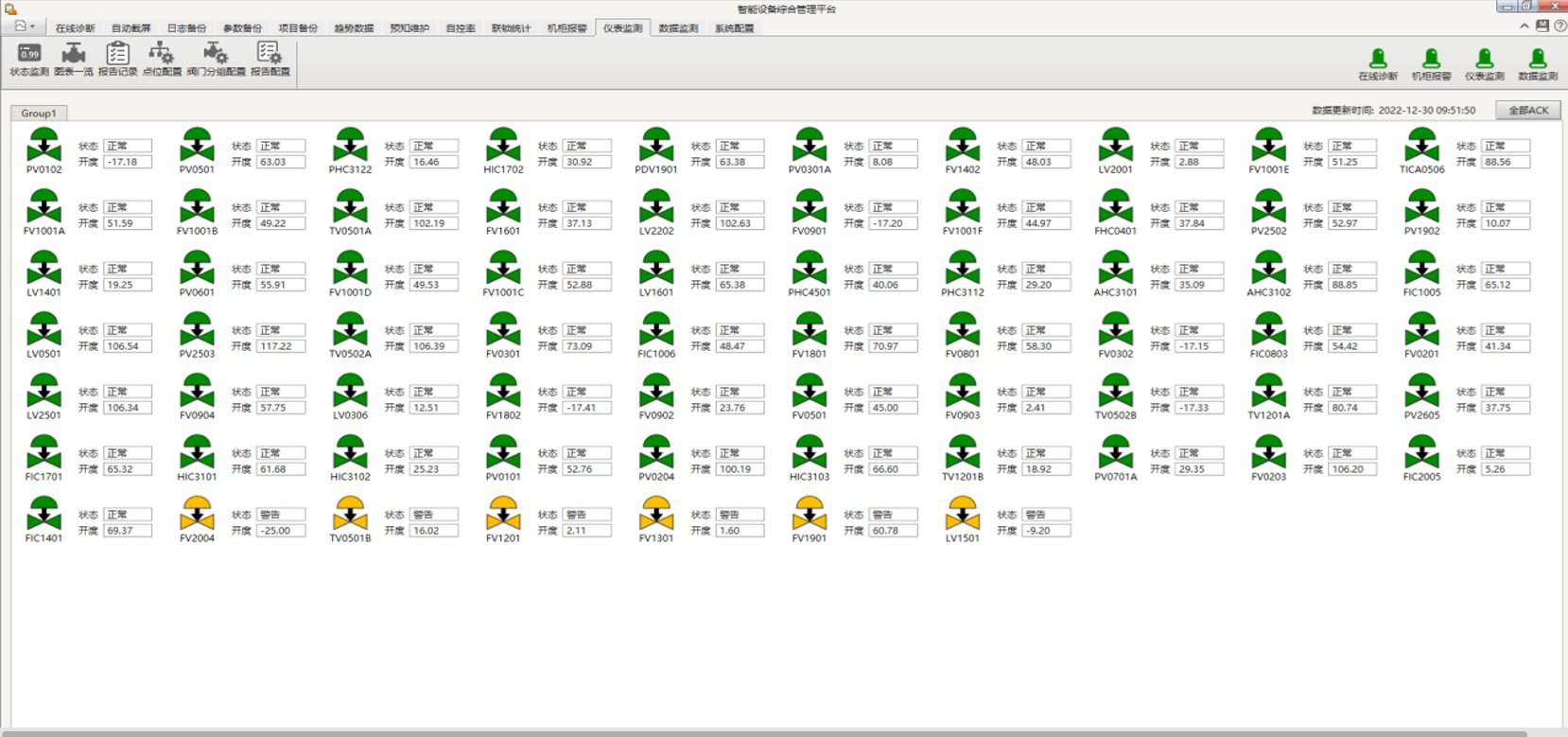
The field instrument status monitoring function monitors the operating status of field instruments, including ambient temperature, fault codes, actual valve opening, and other parameters. It retrieves instrument status data from the AMS (PRM) system. Alarm conditions are configured on the Integrated Intelligent Equipment Management Platform to enable alarms for parameters such as instrument temperature and fault code prompts. Audible and visual alarms will be activated once an alarm is triggered.
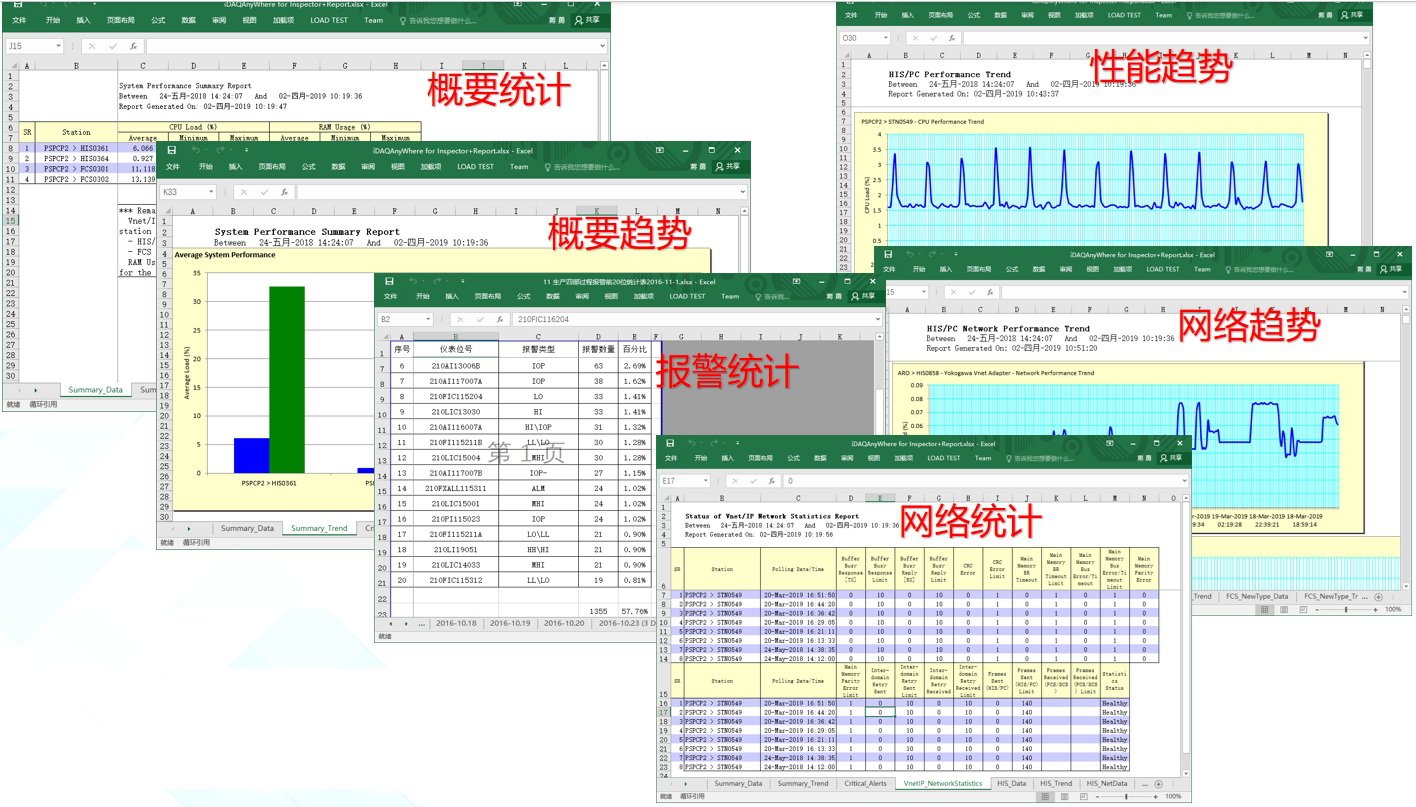
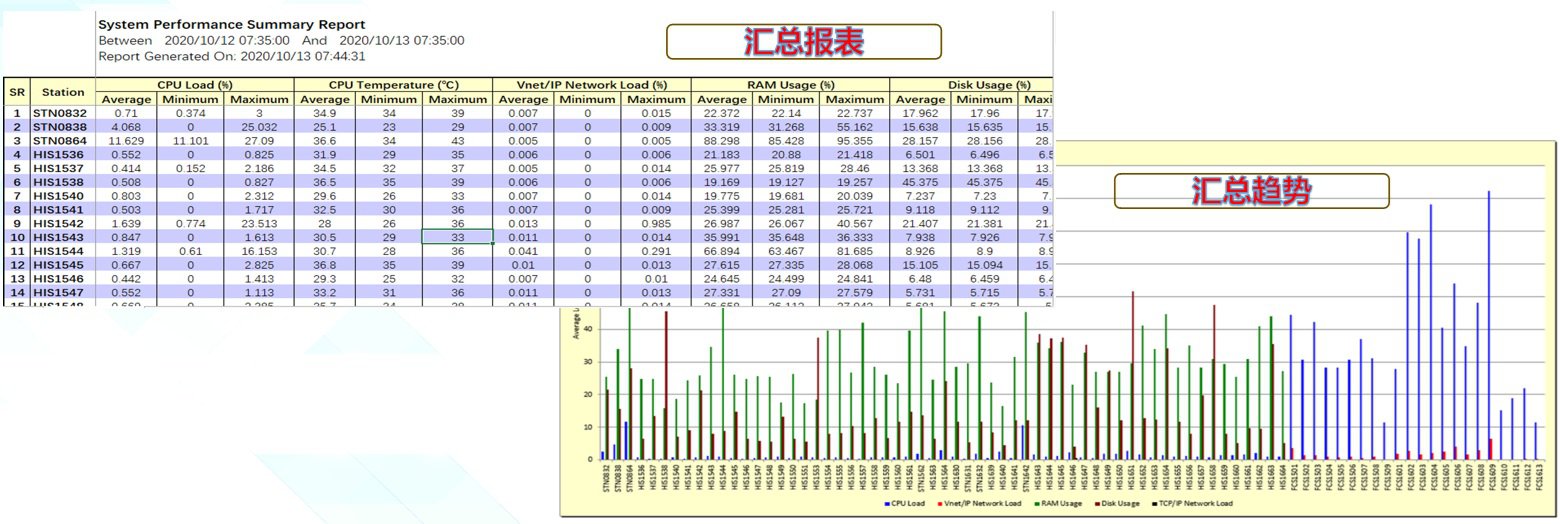
After completing acquisition configuration and report configuration for the online diagnosis function block, shift reports, daily reports, weekly reports, monthly reports, annual reports and reports for any custom time period can be generated on a regular basis. The report records allow users to view detailed configurations, execution time, execution results and email delivery results of all historical reports, and support downloading of report files.
An online diagnosis report for a day shift consists of a total of 10 report files, including summary data report, summary trend report, critical alarm report, control network report, operator station data & trend report, operator station network data & trend report, control station data & trend report, and other supplementary documents.
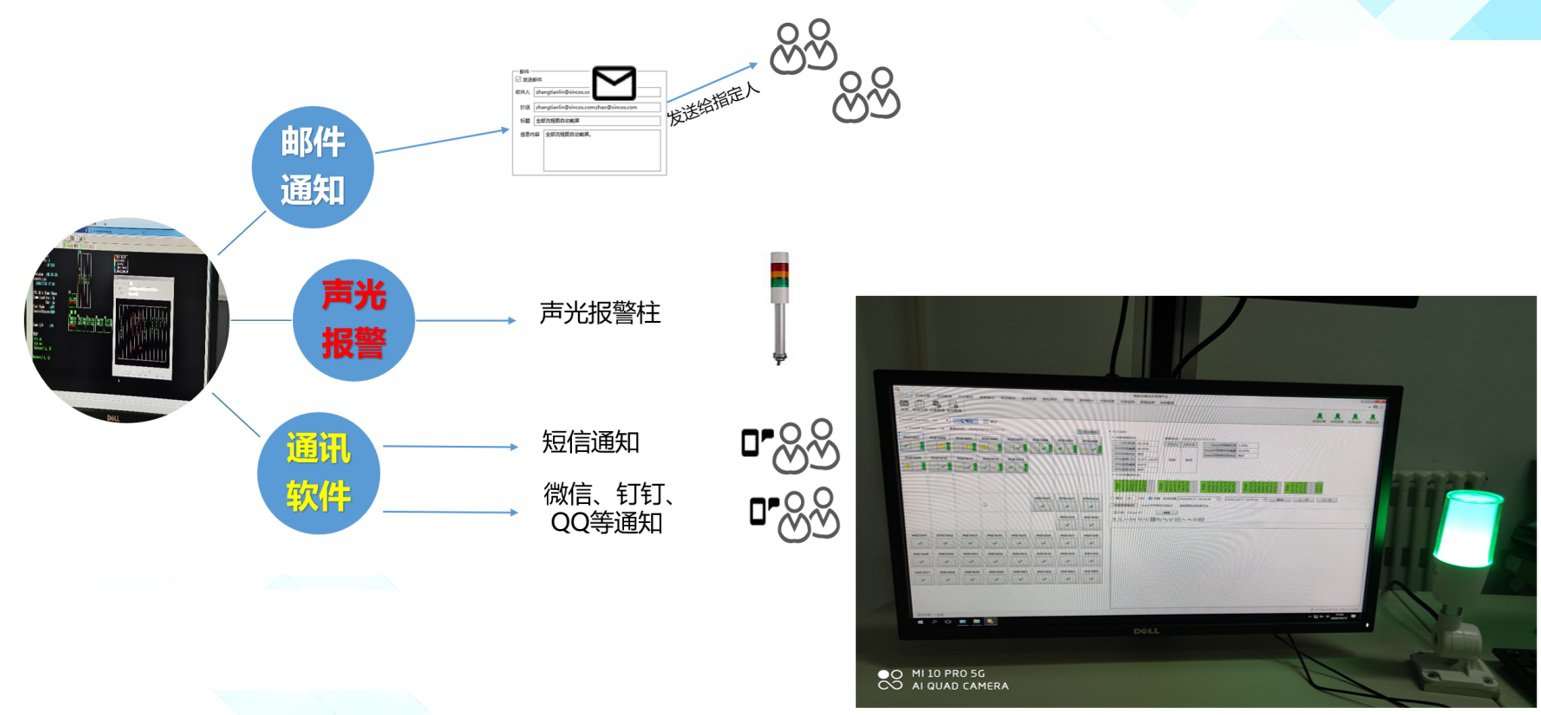
The system supports multiple alarm modes including audible and visual alarms, SMS notifications, and instant messaging notifications (WeChat, DingTalk, QQ, etc.).
The Integrated Intelligent Equipment Management Platform is capable of accessing control systems from multiple manufacturers (DCS, SIS, PLC, etc.) as well as field devices. Serving as a data management hub, it centrally manages conventional instrument data and enables historical and working condition traceability. The platform adopts unified management technology for both structured and unstructured data.
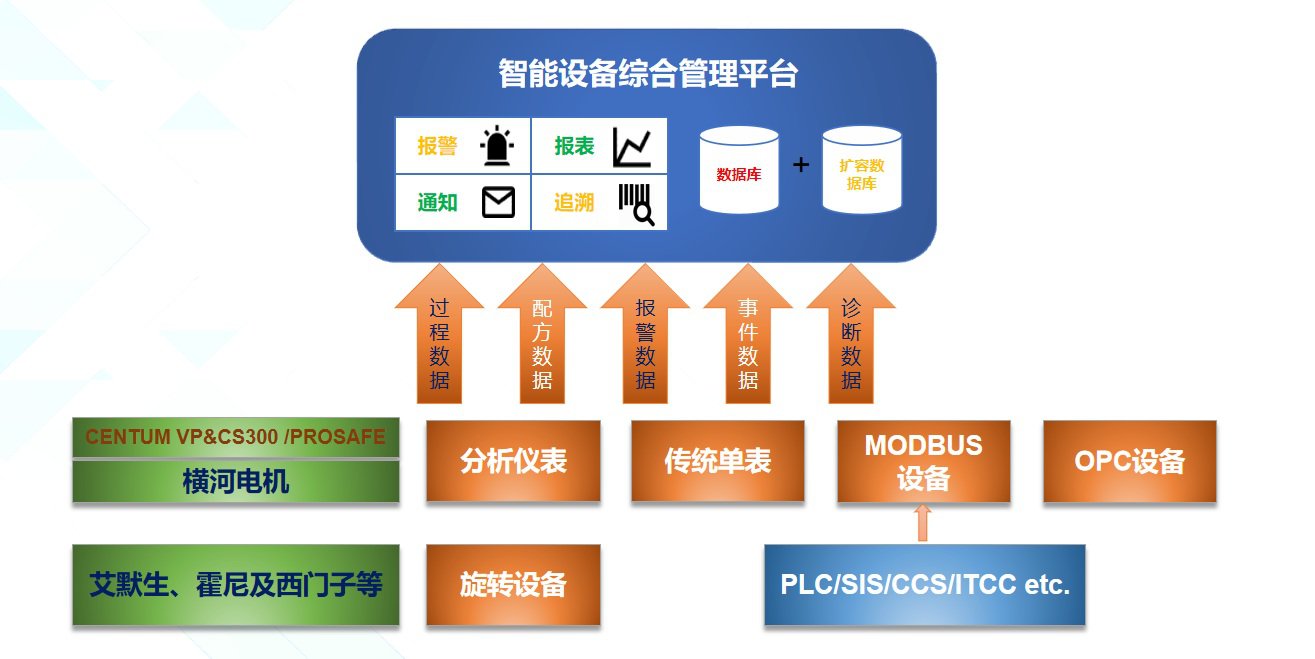 Supported Connected Device Types:
Modbus devices, OPC-compliant devices, conventional single instruments; Yokogawa CENTUM VP & CS300, PROSAFE; analytical instruments, rotating machinery; PLC, SIS, CCS, ITCC systems from Emerson, Honeywell, Siemens and other brands.
Unified Platform Management:
The platform centrally manages process data, formula data, alarm data, event data and diagnostic data, equipped with a supporting database that allows capacity expansion. It delivers capabilities including alarming, report generation, message notification and full data traceability.
For high-risk manufacturers such as petrochemical enterprises, rigorous monitoring of critical control system assets and field equipment is indispensable to maintain highly reliable operations. The key to stable production lies in grasping and managing the health status of key equipment including industrial control systems (ICS) and field instruments before unplanned shutdowns and productivity losses occur. ICS supervisors can take corrective actions against faults based on the collected data. This helps avoid unplanned production line outages, safety incidents and unexpected surges in maintenance costs, eliminating potential hidden failures in advance.
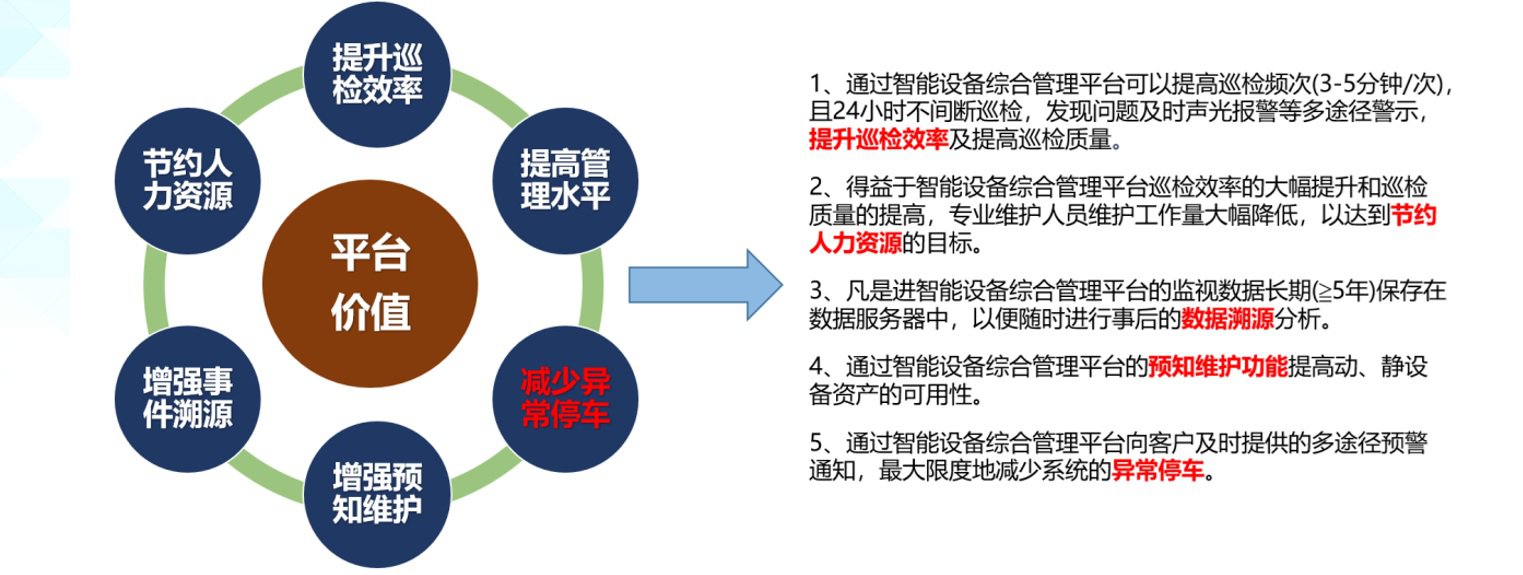
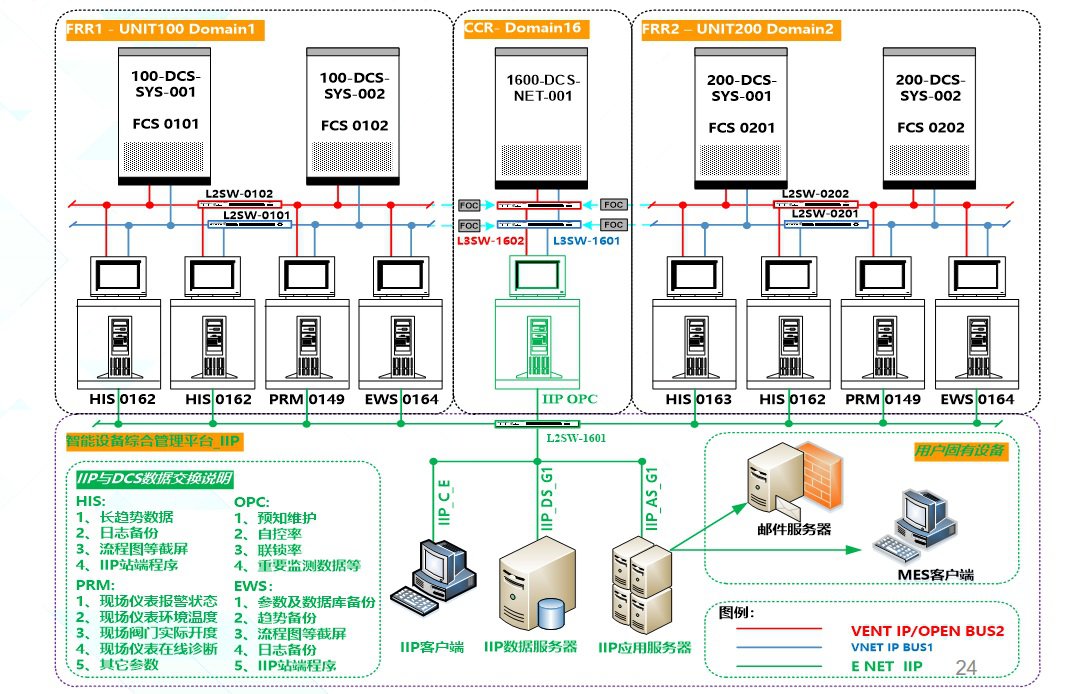
This platform supports multiple domains of control systems. It is built with a classic three-tier architecture and adopts a distributed database. Featuring dynamic node expansion of the database and other capabilities, it maximizes data security and reliability.